The Zeiss 35mm f/1.4 ZM. The Undisputed King of the M11 Sensor 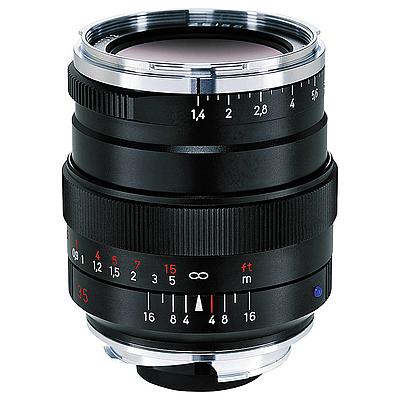
As you may know, I am a lover of the 50mm focal length and that is what I mainly shoot with. However, after needing to use a 35 the other day, I grabbed my trusty Zeiss 35 Distagon ZM. After seeing the results it produced, I felt compelled to write about it and why I still think it's the best 35 for the M system.
We all know there is a pervasive myth that the most expensive glass from Leica represents the undisputed ceiling of performance. For years, the Leica 35mm Summilux f/1.4 FLE has been touted as the benchmark. However, I believe there is a titan in the field that has quietly refused to cede its throne. Yea, I know, I am a Zeiss fanboy. But for a reason.
You don't have to take my word for it, a quick scan of the industry's most respected gearheads reveals a consistent consensus. From technical specialists to seasoned street photographers, the community has leaned heavily toward the Zeiss in head to head comparisons. The Zeiss may not be the newest kid on the block, but when paired with an M11, it proves that modern and superior are not always synonyms. In fact, the results I captured here highlight a level of clarity, bokeh, and contrast that in my opinion cements its status as the undisputed king of 35s.
I will not spend time on MTF charts or academic data. This review is focused purely on real world results. In the Leica community, the Summilux 35mm FLE is often described as having soul, which is usually just code for optical flaws that happen to look nice.
It’s important to be honest here especially with ourselves, terms like "vintage," "glow," and "soul" are far too often used to justify a massive price tag or mask a lens's inability to resolve a modern sensor. The Zeiss 35 refuses to hide behind such terminology. It simply delivers!
As mentioned above, while there are plenty of existing resources comparing these two lenses side by side, this review is intentionally focused on the merits of the Zeiss. Rather than a back and forth comparison, the I present you with are dedicated to showcasing the specific rendering and excellence of the Distagon, allowing its performance to speak for itself.
Why the Distagon sets the Gold Standard? The Distagon design is famous for its aggressive micro contrast. It doesn't just record shapes, it renders textures and depth with quality that makes the image feel three dimensional. Unlike the Summilux FLE, the Zeiss is known for a remarkably flat field across the frame. This ensures that sharpness remains consistent from edge to edge, avoiding the resolution dips often found in compact Leica designs. Also, the Zeiss handles high contrast edges with more grace than the non APO Summilux. Where the Leica might show blooming or fringing in harsh light, the Distagon remains clean and biting.
While the sharpness is undeniably crazy, the transition to out of focus areas is buttery, providing a medium format look that the Leica struggle to replicate.
Keep in mind, these are my personal views on the lens. I understand that others will disagree. But I am just letting you know what I think about this awesome lens!
Perhaps most importantly, you are receiving superior optical performance for roughly half the price of the Leica equivalent. For me, this isn’t just a review, it’s a re evaluation of a classic 35 that, even in 2026, I believe still sets the standard for what a 35mm lens can achieve.
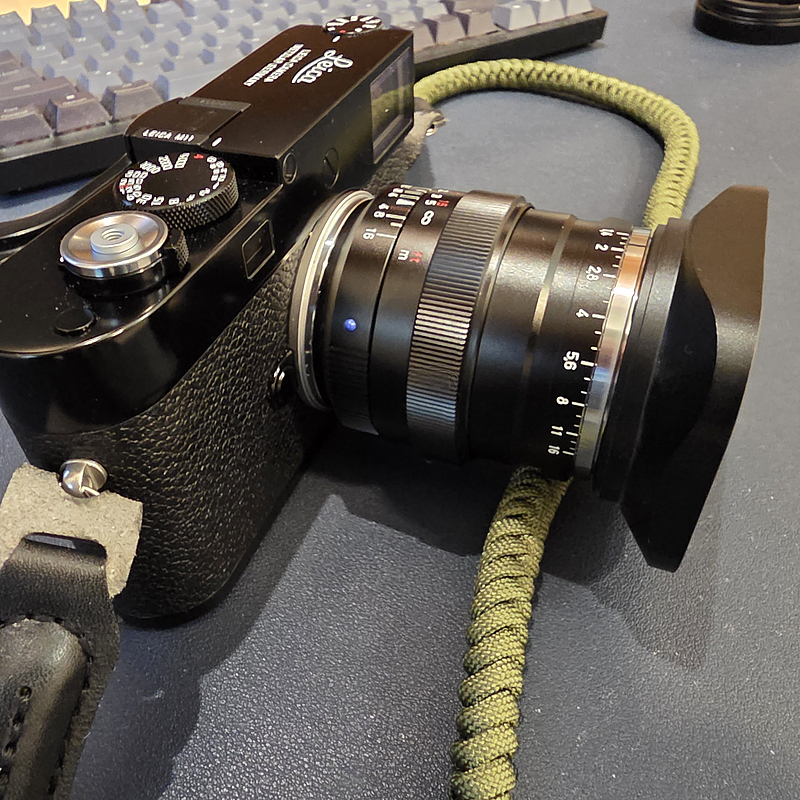


I agree with everything you said except for the size. I still cant use this lens because it's so large and front heavy on an M.
I too would rather have the lens be smaller. But for me, I live with it because of the results.