Moving on from the previous shot, this final kitchen scene provides a straightforward look at the Nokton’s overall performance in a fast paced environment. In a busy scene like this, the lens manages the busy background and various reflective surfaces without it looking distracting.
The Black & White rendering is particularly effective here, as it allows you to appreciate the tonal range and the lens's ability to maintain a clear sense of depth. Despite the numerous elements from the stainless steel equipment to the various kitchen tools, the subject remains naturally separated from the environment.
This image is less about being artsy fartsy and more about the Nokton’s capability as a reliable lens. It proves that even in a chaotic, poorly lit workspace, the lens can deliver a sharp rendered image that holds up. Not bad for a lens 3x less expensive than the Summilux.
In the end, as a longtime Leica user myself, I have to admit that sometimes it’s difficult to accept the facts for what they are. My pride and perhaps the investment I made into the red dot can sometimes blind my view of reality. Do you feel the same way? Really. Do you and just don't admit it?
In this case, just because I may own the Summilux, I cannot simply and blatantly say it is "so much better" than anything else. The reality is that there are many options out there that give it a serious challenge, and the data from these samples proves it. At least to me it does.
Ultimately, these two lenses represent a fascinating paradox, they are drastically different in their physical design and specifications, yet remarkably similar in their real world performance. Throughout this comparison, I have seen how they trade blows in resolution and rendering, often to the point where it becomes a genuine challenge to pick a winner. Neither lens is objectively better than the other. Instead, they offer different paths to the same expected result. In almost any shooting scenario, either of these lenses could easily replace the other without sacrificing the quality expected of them.
The choice, then, comes down to your specific priorities as a shooter
From the Nokton, you get a significant price to performance lead, offering F1.0 capabilities and world class sharpness at a fraction of the Leica's cost. However, the Summilux offers a compact form factor that defines the rangefinder experience, providing a size advantage that makes it a much more discrete and portable daily companion.
Whether you value the extreme light gathering potential and value of the Voigtlander or the iconic portability of the Leica, regardless of your choice, you are getting a lens that delivers a beautiful, sophisticated rendering.
Let us know what you think. Provide your feedback
HERE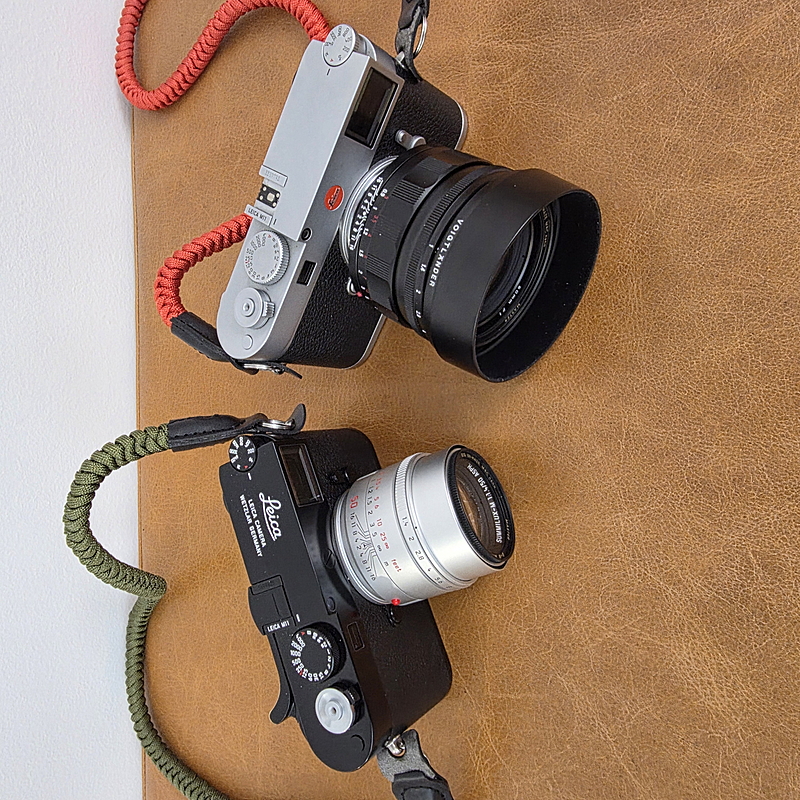 Can You Tell the Difference Between Leica and Voigtlander at f/1.4?










 Guest